The Bags and Backpacks That Actually Work for a Service Laptop
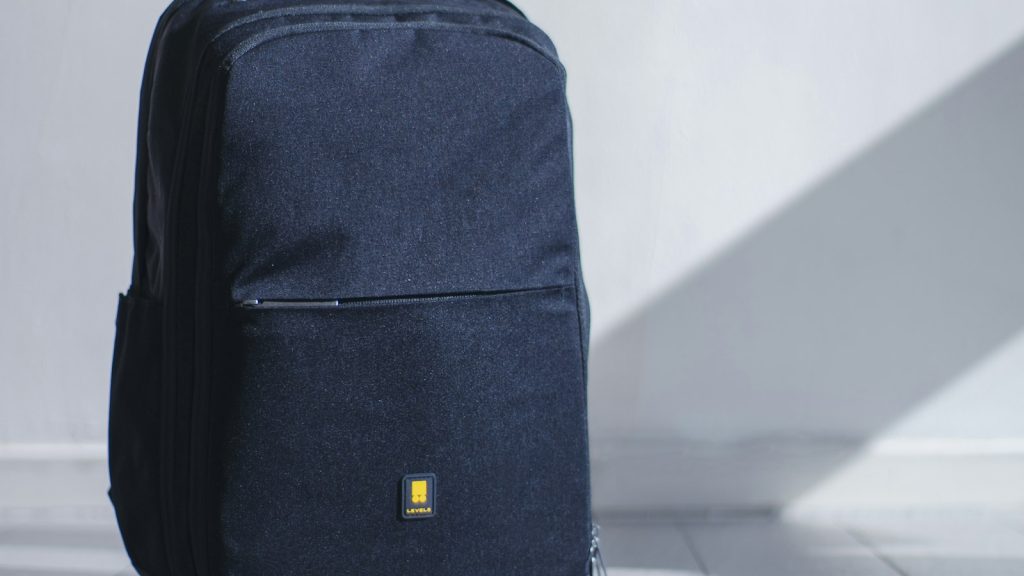
Every field service tech runs into this problem eventually: how do you carry a company laptop safely and comfortably, day after day? And it’s never just the laptop. There’s cables, an adapter, the power brick, all of it needing to survive the trip too. I run a 17-inch machine for work, which is already big and heavy on its own. If you’ve got a smaller laptop, your priorities might shift a bit, but the core question stays the same.
I’ve cycled through most of the options over the years, and each one has real tradeoffs. In the end you have to find what works for you. Here’s what I learned testing four different setups:
- Laptop hard case
- Laptop bag
- Laptop backpack
- Cable pouch
The Hard Case
The hard case was the first thing I tried. There’s a split worth mentioning here, because device size matters a lot.
Cases for devices up to 15.4″
A lightweight aluminum case, the kind you’ve seen in a hundred movies, protects the device extremely well. A lot of these also come with dedicated slots for pens and paperwork, so you’re basically carrying a mobile workstation.
For me it was a quick no, though, because two things matter most to me: mobility and space. This case size tops out at 15.4 inches, and my 17-inch laptop rules it out immediately. On top of that, you’re mostly carrying it by the handle, which kills flexibility fast. Both reasons were enough to drop it.
That said, for someone with different needs, this case type can still be a genuinely good fit. I think of colleagues in field service with different requirements, for whom the aluminum case might be exactly right.
Cases for devices 15.4″ and up
This size class shares the same basic properties as the smaller version, but usually leaves room for accessories like cables, adapters, and peripherals. I’ve never come across a version with wheels, more on that under laptop bags in a moment, but most at least offer a shoulder strap, which already makes carrying noticeably easier.
The Laptop Bag
I’d split this category into two: the classic bag you see everywhere, and the pilot case or hard case. I don’t have direct experience with the pilot case myself, but a colleague described his, and I’m passing that along here.
Soft bag
This was my first real experience carrying a laptop. You know the type, the classic black shoulder or carry bag. I still like the flexibility: very low weight, room for accessories depending on the model, and you can just sling it over your shoulder, which makes transport easy.
The protection is where it falls apart, unfortunately. I’ve cracked screens and dinged corners more than once because of it, and eventually had to find something better. More on that below.
Still, I’d recommend this without hesitation for anyone in field service who only needs to carry their device short distances. Nothing beats it for that specific case.
Pilot case / hard case
As I said, this one comes from a colleague, not my own experience. Broadly, think of it as the XXL version of the aluminum case. The size fits a lot of gear comfortably. Stability is another strong point, whether you go for the classic leather version or the modern aluminum one, both protect the laptop well. He was also impressed by how flexible it is to move around, since these often come with small wheels you can drag behind you.
This one almost won me over, if not for the fairly high weight. On flights that becomes a real problem fast, since it eats into your carry-on allowance. For road trips it would honestly be the ideal solution, so the idea has stuck with me even though I still haven’t bought one.
The Laptop Backpack
This is the ultimate solution, as far as I’m concerned. Nothing has matched the flexibility and comfort of a backpack. The number of ways to organize your gear feels endless: pockets and compartments for everything, all neatly sorted. From your water bottle to your cables, everything has its place, and you find it again instantly when you need it.
The main reason I keep coming back to the backpack, though, is the sheer comfort of carrying it. Everything sits securely on your back, and because of that, both hands stay free. That’s the biggest advantage for me, and honestly the highest comfort level too. I’ll admit it gets annoying sometimes hauling a 17-inch machine around like this. For those situations a rolling case is genuinely better suited. But there’s a solution for that too.
The combo backpack. A backpack with a pull-out handle and wheels. Depending on the situation, you pick whichever makes more sense: standing in line or checking in somewhere, where you need free hands, I go with the carry option. For long waits and longer walks, I switch to wheeling it instead.
The Cable and Accessory Pouch
As a small extra, I’d recommend a small pouch or organizer for cables, a mouse, USB sticks, and other accessories. I personally like everything neat and in its place. It bothers me when I can’t find small items like a USB stick right away, or when cables turn into a tangled mess. That’s exactly what a dedicated pouch solves for me.
Bottom Line
Everyone has different needs, and in the end you have to figure out what actually works for you. For flights and train rides, the backpack has clearly won out for me. The reasons are obvious once you’ve tried it: free hands, real comfort, and enough room for everything I need.
But I’m not only traveling by train and plane, I spend a lot of time in the company car too. For that kind of trip I still have my eye on a pilot case as a complement, not a replacement for the backpack. Haven’t pulled the trigger yet, but the idea hasn’t gone away either.
If you’re still at the start of figuring this out, here’s my honest tip: get a backpack with a handle and wheels. That gives you flexibility for both situations, so you’re not stuck buying two separate things later. And whatever main solution you land on, a proper cable and accessory pouch belongs in the mix either way.